
The Ethics of Nonlethal Force
Batman the Dark Knight Returns 10th Anniversary Edition HardcoverThis flow examines how Batman’s refusal to kill is tested by age, mass violence, and The Joker.
increasing Bearing strength in each event
 decreasing
Bearing strength in each eventdecreasingMoral Constraint
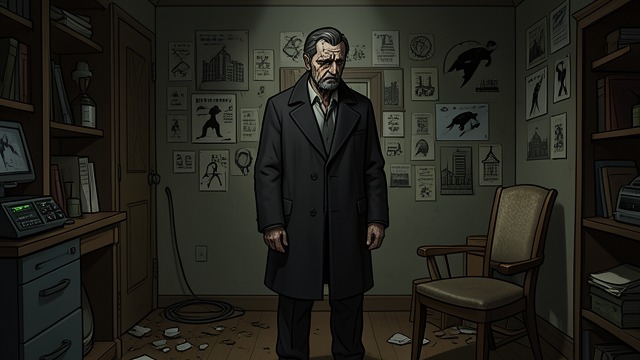
Moral Constraint
Batman’s retirement leaves his principles intact even as his confidence in their usefulness fades.
Boundary
The refusal to kill separates vigilantism from the brutality it opposes.
Burden
That boundary becomes harder to maintain when Gotham City’s institutions fail.
Controlled Violence
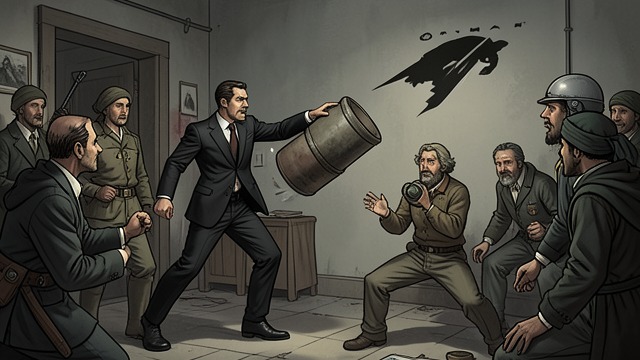
Controlled Violence
Batman uses severe force against the Mutant Gang without abandoning his prohibition against murder.
Necessary Risk
His methods are frightening because they approach the line he refuses to cross.
Demonstration
The distinction between restraint and weakness becomes central to his renewed authority.
Public Casualties
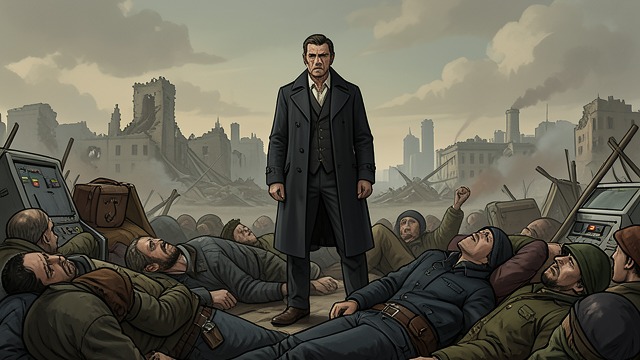
Public Casualties
The Joker’s mass violence tests whether Batman’s principle can survive catastrophe.
Provocation
The villain tries to make restraint appear morally irresponsible.
Responsibility
Batman answers by pursuing protection and containment rather than allowing outrage to dictate his action.
Final Temptation
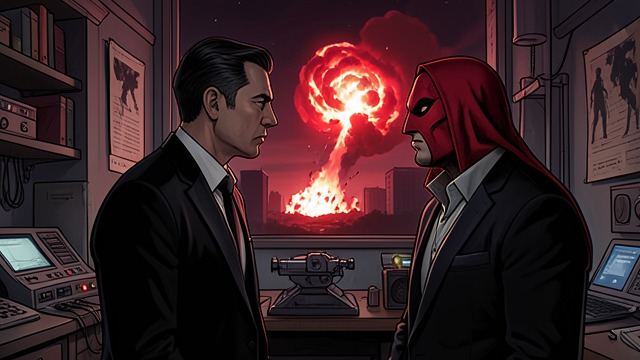
Final Temptation
The Joker attempts to force Batman into becoming the killer he imagines him to be.
Intimate Test
The challenge is personal because The Joker understands Batman’s exhaustion.
Refusal
Batman’s final resistance preserves a moral difference even as the confrontation approaches mutual destruction.
Principle Continued
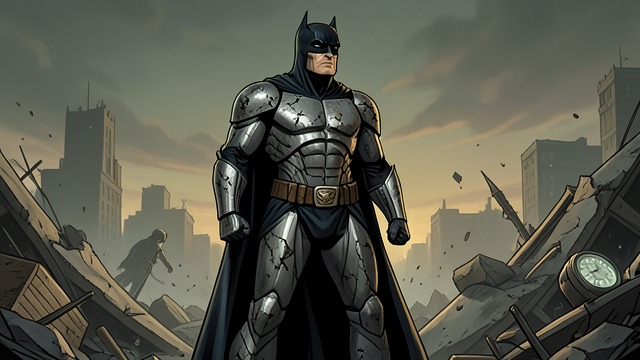
Principle Continued
Batman emerges from the final duel damaged but still defined by the limit he maintained.
Imperfect Victory
His morality does not prevent violence; it prevents violence from becoming his identity.
Future Discipline
The underground mission depends on teaching that distinction to the Sons of Batman.
before Batman’s Return
during the Mutant Gang Uprising
during Joker’s Escape and Massacre
during Batman’s Final Confrontation with the Joker
after The Joker’s paralysis
